
Embracing Chinese Culture: A Practical Guide to Traditions and Customs
By Hector Delgado · · 6 min read
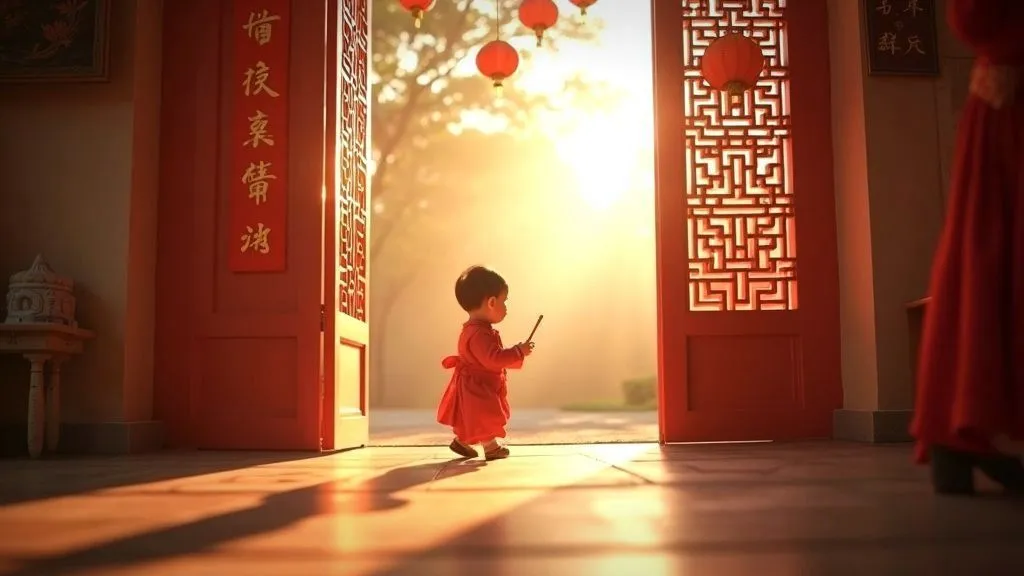
Chinese culture is one of the oldest and most profound in the world. Its traditions encompass a treasure trove of rich practices, beliefs, and customs that have evolved over thousands of years. Understanding these intricate facets of Chinese culture can significantly enhance your appreciation and interaction with its people. This practical guide aims to equip you with essential insights and knowledge about Chinese culture traditions, making your experience both enriching and fulfilling.
1. Understanding the Basics of Chinese Culture
Chinese culture is not merely about food and festivals; it is an intricate web of philosophy, art, and spirituality. The fundamental concepts that shape this culture include Confucianism, Taoism, and Buddhism, which have historically influenced societal norms and values.
Confucianism
Confucianism is a system of philosophical and ethical teachings founded by Confucius, focusing on the importance of morality, family loyalty, and respect for elders. This ideology emphasizes social harmony and proper conduct, laying the groundwork for many cultural practices.
Taoism
Taoism, on the other hand, promotes living in harmony with the Tao, which translates to “the Way.” This philosophy encourages naturalness, simplicity, and spontaneity, greatly influencing art, literature, and rituals in Chinese culture.
Buddhism
Buddhism, introduced from India, further enriched Chinese spiritual practices. It fosters mindfulness and compassion, becoming a significant aspect of many traditional customs and festivals.
Understanding these philosophical roots provides context for the customs and traditions you will encounter as you immerse yourself in Chinese culture.
2. Key Traditions and Customs
2.1 Festivals
China is renowned for its vibrant festivals, which are deeply rooted in cultural traditions. Celebrating these events reveals the heart of Chinese culture.
2.1.1 Chinese New Year
Celebrated on the first day of the lunar calendar, Chinese New Year, or Spring Festival, is the most significant holiday in China. Families gather to honor their ancestors, share meals, and exchange red envelopes filled with money for good luck. The dragon dance, fireworks, and lantern displays are common sights, creating a festive atmosphere.
Data Point: The largest human migration occurs during this period, with approximately 3 billion trips made as people travel to reunite with their families.
2.1.2 Mid-Autumn Festival
The Mid-Autumn Festival, celebrated on the 15th day of the 8th lunar month, focuses on family reunion and moon worship. Traditional mooncakes filled with sweet lotus seed paste and salted egg yolk are shared among family members, symbolizing unity and completeness.
2.2 Traditional Clothing
Chinese traditional clothing reflects the rich history and values of the culture. The Hanfu, for example, represents the clothing of the Han dynasty and is characterized by flowing lines and elaborate designs. The Qipao, or Cheongsam, a form-fitting dress, has become synonymous with female elegance in modern Chinese society.
2.3 Tea Culture
Tea in China is more than just a beverage; it embodies a philosophy of peace and harmony. The art of tea-making includes a profound respect for the drink itself. The Gongfu tea ceremony emphasizes meticulous preparation and appreciation of the flavors and aromas.
Expert Perspective: Tea expert Lu Yu remarked, “Good tea is a bridge for communication and relationship building.”
3. Social Etiquette and Interpersonal Relationships
3.1 Greetings and Introductions
Understanding social etiquette is vital when engaging with Chinese culture. A common greeting is a handshake accompanied by a slight bow. It is customary to address people by their titles followed by their surname as a sign of respect.
3.2 Dining Etiquette
Dining is a crucial aspect of Chinese culture, reflecting relationships and social status.
-
Seating Arrangement: The most honored guest sits opposite the host. It is polite to wait for the host to begin the meal before you start eating.
-
Chopstick Usage: Always place chopsticks on the holder when not in use. Avoid sticking them upright in rice, as this resembles funeral rites.
-
Toasting: The host typically initiates toasts. When toasting, it’s polite to hold your glass lower than that of the elder or guest of honor.
3.3 The Importance of Guanxi (Relationships)
Guanxi refers to the network of relationships that plays a fundamental role in Chinese society. Building guanxi requires trust and reciprocity, which can significantly impact business dealings and personal interactions.
Expert Insight: Business consultant Zhang Wei explains, “In China, who you know can be just as important as what you know.”
4. Arts and Literature
Chinese culture has a rich artistic heritage, including calligraphy, painting, and literature.
4.1 Calligraphy
Chinese calligraphy is not merely writing; it is an art that conveys emotion and discipline. Different styles can reflect the personality of the artist, making each piece unique.
4.2 Chinese Painting
Traditional Chinese painting emphasizes harmony with nature. Landscape paintings often feature mountains, water, and flora, embodying the philosophy of living in unison with the environment.
4.3 Literature
Chinese literature boasts a wealth of classical works, from the “Tao Te Ching” to classical poetry. Contemporary literature continues to explore themes of identity, tradition, and modernity.
5. Religion and Beliefs
Religion in China is diverse, incorporating folk beliefs, Buddhism, Taoism, and Confucianism. Ancestor worship remains a significant practice, where families honor their deceased relatives through offerings and rituals.
5.1 Feng Shui
Feng Shui, the ancient art of placement, plays a crucial role in architecture and urban planning. The belief is that the arrangement of space can influence energy flow and well-being.
6. Modern Influences on Chinese Culture
In recent decades, China’s rapid modernization has led to a fascinating interplay between traditional values and contemporary influences. Urbanization has changed lifestyles, leading to shifts in cultural practices.
6.1 The Role of Technology
With the rise of digital technology, social media platforms such as WeChat and Douyin (TikTok) have transformed how people communicate and share cultural content. This blend of tradition and modernization creates a dynamic cultural landscape.
6.2 Globalization
Globalization has also influenced Chinese culture, leading to a fusion with international trends while striving to retain unique cultural elements. Cultural exports, such as films and fashion, have found audiences globally, promoting greater appreciation for Chinese traditions.
7. How to Experience Chinese Culture
Experiencing Chinese culture in an authentic way involves active participation and exploration. Here are some steps to embrace this vibrant culture:
7.1 Attend Cultural Festivals
Participate in local celebrations such as Chinese New Year or the Lantern Festival. Engaging with your community during these events provides an immersive experience.
7.2 Learn Mandarin
Understanding the language enhances your appreciation of Chinese culture. It allows for more meaningful interactions and a deeper connection to the traditions.
7.3 Explore Local Cuisine
Trying different regional dishes showcases the culinary diversity of China. Each region offers its own specialties, reflecting local ingredients and traditions.
7.4 Visit Historical Sites
Traveling to historical places such as the Great Wall, the Forbidden City, or ancient towns provides insight into China’s rich history and architectural traditions.
7.5 Engage with Locals
Building relationships with locals can enrich your understanding. Whether through sharing a meal or participating in a tea ceremony, these interactions encourage cultural exchange.
FAQ
Q1: What is the significance of Chinese New Year?
Chinese New Year marks the beginning of the lunar calendar and is a time for family reunions, honoring ancestors, and celebrating good fortune.
Q2: What role does tea play in Chinese culture?
Tea is an essential part of Chinese culture, symbolizing respect and hospitality. The Gongfu tea ceremony is a revered practice that highlights this importance.
Q3: How can I show respect when dining in China?
When dining, wait for the host to start eating, use chopsticks properly, and respect the seating arrangement.
Q4: Why is guanxi important in Chinese society?
Guanxi, or relationships, is crucial in China as it fosters trust and reciprocity that can impact personal and business encounters significantly.
By embracing the traditions and customs of Chinese culture, you embark on a journey filled with discovery, appreciation, and connection. This guide offers only the beginning; the world of Chinese culture is vast and inviting, waiting for you to explore further.