
Exploring the Richness of Chinese Festivals
By Hector Delgado · · 6 min read
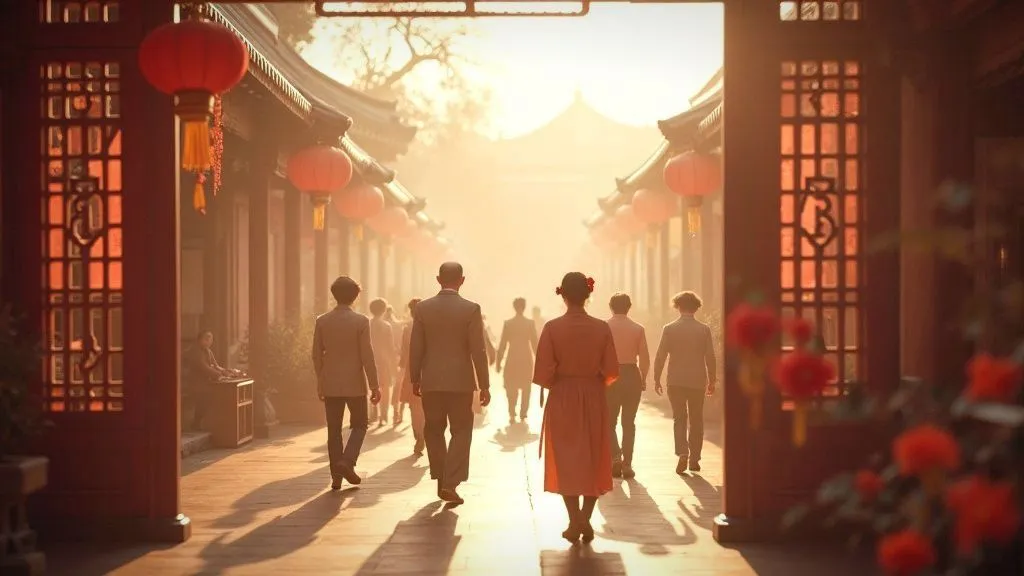
Chinese festivals are a fascinating tapestry woven with history, tradition, and community spirit. Celebrating these occasions allows not only for joyful gatherings but also provides insight into the intricate beliefs and values embedded within Chinese culture. From the Lunar New Year to the Mid-Autumn Festival, Chinese festivals are a reflection of the rich heritage and diverse regional practices that characterize this ancient civilization. Here, we will explore ten remarkable Chinese festivals, examining their origins, unique practices, and what they tell us about Chinese society.
1. Lunar New Year (春节)
Overview
The Lunar New Year, or Spring Festival (春节), is undoubtedly the most celebrated festival in China. Celebrated on the first day of the lunar calendar, it marks the beginning of a new year filled with hope and prosperity. This festival is a time for family reunions, honoring ancestors, and participating in various traditions.
Key Traditions
- Family Reunion Dinners: On the eve of the Lunar New Year, family members gather to share a sumptuous dinner featuring symbolic dishes, such as fish (for abundance) and dumplings (for wealth).
- Red Envelopes (红包): Elders give red envelopes filled with money to children and younger family members, symbolizing good luck and fortune.
- Fireworks and Lion Dances: These lively displays scare off evil spirits and welcome the new year with enthusiasm.
Significance
The Lunar New Year reflects deep-seated values of kinship and the importance of family in Chinese culture. Its customs vary significantly across regions, showcasing the diversity of practices within China.
2. Lantern Festival (元宵节)
Overview
The Lantern Festival (元宵节) occurs on the 15th day of the Lunar New Year, marking the end of the Spring Festival celebrations. This festival is a joyful occasion, characterized by lighting and appreciating lanterns.
Key Traditions
- Lantern Displays: Colorful lanterns in various shapes and sizes illuminate the night sky. People often write riddles on the lanterns to engage with others in a playful challenge.
- Tangyuan (汤圆): Glutinous rice balls filled with sweet or savory fillings are traditionally consumed, symbolizing family unity and togetherness.
Significance
The Lantern Festival represents the transition from the old year to the new, closing the festivities on a high note. It emphasizes the importance of family and unity through both visual and culinary traditions.
3. Qingming Festival (清明节)
Overview
Qingming Festival, also known as Tomb-Sweeping Day, takes place on the 15th day after the Spring Equinox. This festival is dedicated to honoring deceased ancestors and is an integral part of Chinese culture.
Key Traditions
- Tomb Sweeping: Families visit ancestral graves to clean them, offer food, and burn incense to show respect and maintain a connection with their ancestors.
- Spring Outings: Traditionally, people also enjoy the beauty of nature during this time with outings to enjoy the spring weather.
Significance
Qingming Festival reflects the Confucian value of filial piety, reinforcing ties between generations and the importance of remembering one’s heritage. It teaches respect for ancestors and nature, emphasizing the cyclical nature of life.
4. Dragon Boat Festival (端午节)
Overview
The Dragon Boat Festival (端午节) is celebrated on the 5th day of the 5th month of the lunar calendar. This festival commemorates the ancient poet Qu Yuan, who drowned himself in protest against corruption.
Key Traditions
- Dragon Boat Races: Teams race elaborately decorated boats, honoring Qu Yuan’s spirit and fostering community cooperation.
- Zongzi (粽子): Sticky rice dumplings wrapped in bamboo leaves are a traditional food of this festival, symbolizing the sacrifices made.
Significance
The festival emphasizes bravery, loyalty, and the importance of standing up for one’s beliefs. It also highlights the regional diversity of China, as each region has its unique styles of dragon boat racing and zongzi preparation.
5. Mid-Autumn Festival (中秋节)
Overview
The Mid-Autumn Festival, or Moon Festival (中秋节), is celebrated on the 15th day of the 8th lunar month. It honors the harvest and the full moon, symbolizing family unity and togetherness.
Key Traditions
- Mooncakes (月饼): Families exchange and eat mooncakes, which are round to symbolize reunion. These pastries come in various flavors and fillings.
- Moon Gazing: People gather to admire the full moon, sharing stories and expressing gratitude for the harvest.
Significance
The Mid-Autumn Festival is a celebration of familial bonds and a reflection of the agricultural roots of Chinese society. It also showcases artistic expression through mooncake designs and poems recited under the moonlight.
6. Double Ninth Festival (重阳节)
Overview
The Double Ninth Festival (重阳节) is celebrated on the ninth day of the ninth month of the lunar calendar. This festival is dedicated to honoring the elderly and promoting longevity.
Key Traditions
- Climbing Mountains: Many people hike during this festival, as it symbolizes ascending to greater heights in life.
- Chrysanthemum Wine: Drinking chrysanthemum wine is a common practice, believed to promote health and well-being.
Significance
The Double Ninth Festival highlights the value of respect for elders in Chinese culture, encouraging younger generations to cherish their wisdom and experiences. It signifies the importance of health and longevity.
7. Winter Solstice Festival (冬至)
Overview
The Winter Solstice Festival, known as Dongzhi (冬至), is celebrated around December 21st or 22nd. It marks the longest night of the year and the return of longer days.
Key Traditions
- Eating Tangyuan or Dumplings: In northern China, people often consume dumplings, while those in the south enjoy tangyuan, symbolizing reunion and warmth.
- Family Gatherings: Families come together to celebrate the change of seasons and the return of the sun.
Significance
The Winter Solstice Festival reflects the cyclical nature of time and the importance of community and family in overcoming darkness. It symbolizes hope and unity as families welcome the returning light.
8. New Year’s Day of the Han Calendar (汉历一月一日)
Overview
Different from the Lunar New Year, this festival celebrates the beginning of the new year according to the Han calendar. It’s observed in many parts of China, particularly among Han communities.
Key Traditions
- Folk Songs and Dances: Communities come together to perform traditional songs and dances, showcasing their cultural heritage.
- Feasting: Special dishes are prepared to welcome prosperity and good fortune in the new year.
Significance
This festival underscores the variations within Chinese cultural practices. It highlights how different communities celebrate traditions while fostering a sense of belonging and identity.
9. Xiaonian (小年)
Overview
Xiaonian, or the “Little New Year,” is observed about a week before the Lunar New Year. It marks the start of the Spring Festival preparations.
Key Traditions
- Cleaning the House: Families clean their homes thoroughly to sweep away bad luck and make way for good fortune.
- Honoring the Kitchen God: Families offer sacrifices to the Kitchen God to ensure a prosperous new year.
Significance
Xiaonian represents the anticipation and excitement building up to the Lunar New Year. It reflects the belief in new beginnings and the importance of purification in daily life.
10. International Workers’ Day (五一劳动节)
Overview
Celebrated on May 1st, International Workers’ Day honors laborers and promotes workers’ rights. It has become a public holiday in China, symbolizing national unity.
Key Traditions
- Public Celebrations: Many cities hold parades and festivities, emphasizing the contributions of workers to society.
- Traveling: With a long weekend, many people travel domestically, engaging in recreational activities.
Significance
International Workers’ Day represents modern Chinese society’s attitudes towards labor and contributes to the ongoing dialogue about the rights and status of workers in the global economy.
Conclusion: The Value of Chinese Festivals
Through the exploration of these ten remarkable Chinese festivals, it becomes evident that the celebration of culture is deeply embedded in the social fabric of China. Every festival not only adds a vibrant burst of color and joy to the year but also encapsulates significant cultural values such as family, respect for ancestors, and community spirit.
These gatherings foster connections between people and generations, promoting harmony and understanding while also celebrating diversity. Understanding Chinese festivals can deepen appreciation for this ancient civilization and its contemporary values.
As you plan to experience or learn more about these festivals, consider inviting friends or family to join in the celebration, sharing stories, and reveling in the rich traditions that define Chinese culture. Whether through dance, food, or communal activities, the essence of these festivals lies in togetherness—something that transcends cultural boundaries.