
Mastering Chinese Culture: A Comprehensive Guide
By Hector Delgado · · 7 min read
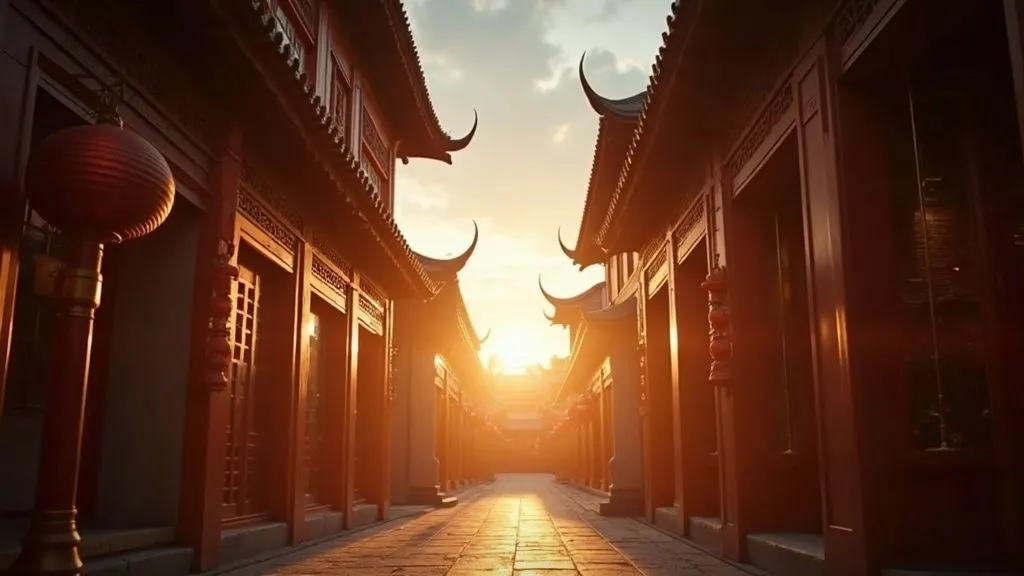
Understanding a culture as rich and diverse as Chinese culture can feel like navigating through a vast ocean. From its ancient philosophies and vibrant festivals to its delectable cuisine and artistic expressions, this guide aims to provide an in-depth exploration of the many facets of Chinese culture. Whether you’re planning a trip to China, engaging with Chinese communities, or simply seeking to expand your knowledge, this comprehensive guide will serve as your compass.
1. The Foundations of Chinese Culture
Chinese civilization boasts a history that stretches back over 5,000 years, making it one of the oldest continuous cultures in the world. Its deep-rooted traditions and customs are intertwined with ancient philosophies like Confucianism, Taoism, and Buddhism.
Confucianism, for instance, emphasizes morality, social relationships, and justice, shaping societal norms and values. Taoism, on the other hand, focuses on harmony, nature, and the concept of “wu wei” or effortless action. Together, these philosophies influence not just personal conduct, but also family dynamics, governance, and even business practices.
1.1 Key Philosophical Concepts
- Ren (仁): This term refers to “benevolence” or “humaneness” and is a central tenet of Confucian thought.
- Li (礼): Meaning “ritual” or “proper conduct,” it encompasses everything from manners to social etiquette.
- Qi (气): Often translated as “life force,” Qi represents the flow of energy in the body, a concept central to Traditional Chinese Medicine.
Understanding these philosophies is essential to grasping the wider cultural context. For a deeper dive into Chinese philosophy, consider reading the extensive entries on Wikipedia.
2. The Language of China: Mandarin and Beyond
With over 1.3 billion native speakers, Mandarin Chinese (Putonghua) is the most spoken language in the world. Its unique tonal system can make it challenging for learners, but mastering it unlocks a wealth of cultural insights.
2.1 The Importance of Tones
Mandarin is a tonal language, which means the same sequence of sounds can convey different meanings depending on the tone used. For instance, “ma” can mean “mother,” “hemp,” “horse,” or “scold,” depending on its tone.
2.2 Dialects and Variations
While Mandarin is the official language, China has a multitude of dialects, including Cantonese, Shanghainese, and Hokkien. Each has its own distinct sounds and vocabulary, reflecting local cultures and histories. For a comprehensive overview of Chinese dialects, check out this informative article.
3. Festivals: The Heartbeat of Chinese Culture
Chinese festivals are vibrant celebrations that reflect the country’s rich traditions. Some of the most famous include:
3.1 Chinese New Year
Chinese New Year, or Spring Festival, is the most significant celebration. It usually falls between January 21 and February 20, depending on the lunar calendar. This festival is characterized by family reunions, lavish feasts, and intricate decorations featuring red, a color symbolizing luck and prosperity.
3.2 Mid-Autumn Festival
Celebrated on the 15th day of the 8th lunar month, the Mid-Autumn Festival is a time for family gatherings and moon-gazing. Mooncakes, a traditional delicacy, are exchanged among loved ones as a symbol of reunion and harmony.
3.3 Dragon Boat Festival
This festival commemorates the ancient poet Qu Yuan and features exciting dragon boat races. Sticky rice dumplings known as zongzi are traditionally eaten during this time, embodying the spirit of teamwork and cultural pride.
4. Culinary Delights: The Art of Chinese Cuisine
Chinese cuisine is known for its regional diversity, reflecting the vast landscape and cultural influences across the nation. From spicy Sichuan dishes to delicate Cantonese dim sum, authentic Chinese food is a culinary journey.
4.1 Key Regional Cuisines
- Sichuan Cuisine: Renowned for its bold flavors and spiciness, often enhanced with Sichuan peppercorns.
- Cantonese Cuisine: Famous for its dim sum and emphasis on fresh ingredients, offering a more subtle taste.
- Shandong Cuisine: Noted for its seafood and use of vinegar, it’s one of the oldest regional cuisines in China.
4.2 Culinary Etiquette
When dining in China, certain etiquettes are observed. It is customary to wait for the host to start the meal, and using chopsticks correctly is essential. Placing chopsticks upright in rice is seen as symbolic of death, so it’s best to avoid this practice.
If you’re interested in a broader look at Chinese cuisine, the BBC’s food section offers a plethora of recipes and insights.
5. Art and Literature: A Tapestry of Expression
Chinese art and literature have evolved significantly over millennia, showcasing the rich cultural narratives of the Chinese people.
5.1 Traditional Arts
Chinese painting and calligraphy hold a special place in the cultural landscape. The art of brush painting emphasizes spontaneity and emotional expression, often featuring natural landscapes, flowers, and animals.
Calligraphy, regarded as a high art form, transcends mere writing. Each stroke conveys emotion and is an expression of the artist’s personality.
5.2 Literary Contributions
Chinese literature boasts classic works such as “Journey to the West,” “Dream of the Red Chamber,” and poetry by celebrated figures like Li Bai and Du Fu. Understanding these literary works provides insights into the historical and cultural contexts of various dynasties.
For a more in-depth exploration, the Chinese Literature Encyclopedia offers a wealth of information on classic and contemporary authors.
6. Modern Social Practices
As China continues to evolve, so too do its social practices. Urbanization, globalization, and technological advancements have significantly impacted daily life in China.
6.1 The Influence of Technology
The advent of social media and mobile payment systems has transformed how people communicate and conduct business. Apps like WeChat and Alipay dominate daily transactions, reflecting a more interconnected society.
6.2 Changing Family Dynamics
Traditionally, the family unit was hierarchical, with respect for elders being paramount. However, as younger generations move to urban areas for work, family structures are evolving, and the concept of filial piety is being redefined.
7. Etiquette and Manners: Navigating Social Interactions
Understanding the norms of behavior in Chinese culture can enhance your interactions and help avoid misunderstandings.
7.1 Greeting Customs
A common greeting is a handshake, sometimes accompanied by a slight bow. In more traditional settings, one might also offer a slight nod or bow.
7.2 Gift Giving
Gift-giving is an integral aspect of social rapport. When giving, avoid items such as clocks or umbrellas, as they symbolize bad luck. Present the gift with both hands as a sign of respect.
8. The Significance of Tea in Chinese Culture
Tea is not just a beverage; it is intertwined with Chinese philosophy and traditions. The Chinese tea ceremony is an art form representing hospitality, respect, and social interaction.
8.1 Types of Tea
- Green Tea: Known for its health benefits and refreshing taste, it is one of the most consumed types in China.
- Oolong Tea: A semi-fermented tea that combines the qualities of green and black tea, popular for its complex flavors.
- Pu-erh Tea: A fermented tea that is aged, valued for its unique taste and health benefits.
8.2 The Tea Ceremony
The tea ceremony emphasizes the aesthetics of tea preparation and serving, highlighting the importance of mindfulness and appreciation in everyday life.
For a scholarly overview of tea culture, you can check out Teas of China.
9. Religion and Spirituality
Religion in China is diverse, with several belief systems coexisting. Confucianism, Taoism, and Buddhism are the three major philosophies influencing the spiritual landscape.
9.1 Temples and Shrines
Visiting temples and shrines is a common practice for many Chinese people. These sacred spaces are not only places of worship but also serve as cultural hubs where festivals and community events take place.
9.2 Ancestor Worship
Honoring ancestors is a significant aspect of Chinese spirituality. Many families maintain altars at home to offer food, incense, and prayers to their forebears, reflecting the deep-rooted belief in the connection between past and present.
10. Frequently Asked Questions about Chinese Culture
Q1: What is the most important festival in Chinese culture?
Chinese New Year, or Spring Festival, is considered the most significant celebration, marking the beginning of the lunar new year.
Q2: What are some common traditional Chinese dishes?
Some iconic dishes include Peking duck, dumplings, and hotpot, each with its own regional variations.
Q3: How important is family in Chinese culture?
Family is of utmost importance in Chinese culture, often viewed as the cornerstone of social structure and individual identity.
Q4: What role does tea play in Chinese culture?
Tea is integral to social interactions and daily life, symbolizing hospitality and respect. The tea ceremony is a culturally rich practice showcasing its significance.
By delving into the various aspects of Chinese culture, this guide aims to not just inform, but also inspire a deeper appreciation for one of the world’s most ancient civilizations. Whether you engage in a tea ceremony, marvel at a piece of calligraphy, or simply enjoy a bowl of dumplings, every experience presents an opportunity to connect with the spirit of China.