
Myths and Realities of Chinese Culture: Unpacking Common Misconceptions
By Hector Delgado · · 6 min read
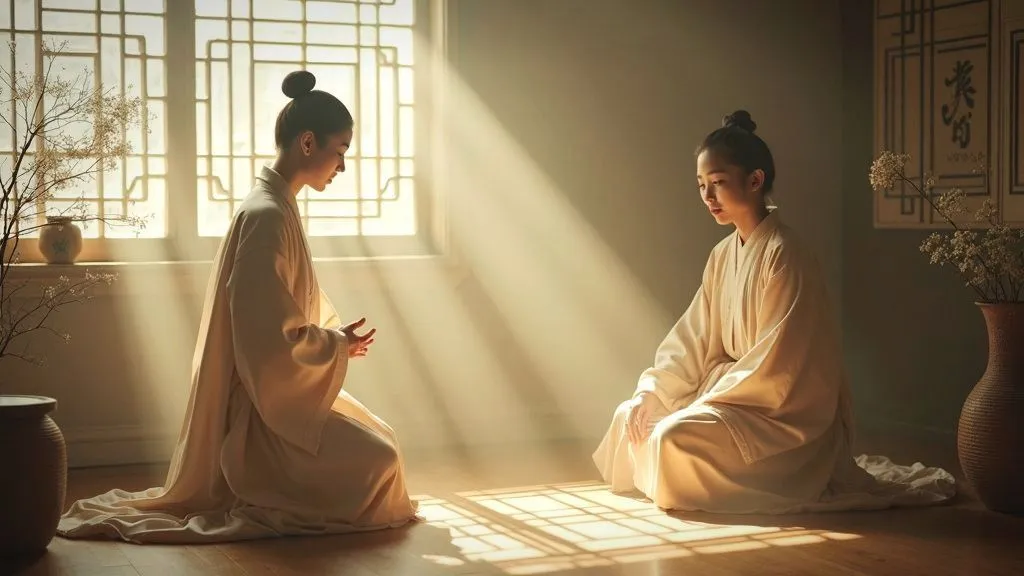
Introduction: Understanding Chinese Culture Misconceptions
Chinese culture misconceptions often stem from age-old stereotypes and a lack of understanding of the intricacies that define this ancient civilization. Many external perspectives fail to capture the nuanced layers that constitute the rich tapestry of Chinese heritage. While 1.4 billion people share the nationality of Chinese culture, the diversity within the country is astonishing. This article will explore some of the most prevalent myths surrounding Chinese culture, offer expert insights, and present data to help demystify these assumptions.
Myth 1: China is Homogeneous
One of the most pervasive misconceptions about Chinese culture is the belief that it is a monolithic entity. In reality, China is a nation of incredible diversity. The country is home to 56 recognized ethnic groups, each with its own languages, customs, and traditions.
Data Insight
According to the National Bureau of Statistics of China, the Han ethnicity makes up about 91% of the population, but the remaining 9% comprises various ethnic minorities that are crucial to the cultural landscape. For example:
- The Zhuang people in Guangxi province have their own language and festivals.
- The Tibetan culture, adorned with unique religious practices and art forms, thrives in the Himalayan region.
- The Uighurs in Xinjiang province bring their own customs, music, and culinary traditions.
Expert Perspective
Dr. Chen Wei, an anthropologist specializing in Chinese ethnic studies, states, “To perceive China as a single culture is to overlook the incredible dynamism that exists within its borders. Each ethnic group contributes to the richness of Chinese culture, challenging the stereotype of homogeneity.”
Myth 2: All Chinese Food is the Same
Another widespread belief is that all Chinese food is interchangeable. While dishes like Kung Pao Chicken and Peking Duck have gained international recognition, they represent just a fraction of China’s culinary diversity.
Data Insight
The culinary landscape of China is categorized into eight major regional cuisines:
- Cantonese – Known for its dim sum and fresh ingredients.
- Sichuan – Famous for its bold use of spices and flavors.
- Shandong – Renowned for its seafood and vinegar.
- Jiangsu – Offers refined flavors and presentations.
- Zhejiang – Emphasizes freshness and seasonal ingredients.
- Fujian – Known for soups and a focus on umami.
- Hunan – Spicy and fragrant, emphasizing fresh ingredients.
- Anhui – Features stewed dishes and wild game.
Moreover, a survey by the Chinese Dietetic Association indicated that around 60% of households regularly prepare regional dishes, emphasizing cultural preferences and local ingredients.
Expert Perspective
Chef Li Jun, a culinary expert specializing in ethnic Chinese cuisine, remarks, “Each region has developed its own ingredients, flavors, and cooking methods. To generalize Chinese food is to ignore centuries of history and evolution in culinary arts.”
Myth 3: All Chinese People Speak Mandarin
Another common misconception is that all Chinese people speak Mandarin, the official language of China. While Mandarin is widely spoken and understood, it is far from the only language.
Data Insight
China has a staggering number of languages and dialects. Ethnologue reports that there are over 299 living languages spoken in China, including:
- Cantonese: Predominantly spoken in Guangdong province and Hong Kong.
- Shanghainese: A Wu dialect primarily spoken in Shanghai.
- Hakka and Min: Spoken in regions like Fujian and among Hakka communities worldwide.
Understanding China’s linguistic landscape highlights the complexities of communication beyond Mandarin.
Expert Perspective
Linguist Dr. Zhang Hui notes, “The idea that everyone speaks Mandarin oversimplifies the reality of regional dialects. There’s a rich diversity of languages that shape communication, culture, and identity in different provinces.”
Myth 4: Chinese Culture is Stuck in the Past
Many outsiders perceive Chinese culture as traditional and backwards, believing it relies exclusively on ancient practices. However, this perspective ignores the continuous evolution of the culture, especially in urban centers.
Data Insight
In recent years, Chinese cities like Beijing and Shanghai have become hubs of innovation. The 2021 Global Innovation Index reported that China ranked 12th globally, showcasing advancements in technology, research, and design. The growth of industries such as mobile technology, e-commerce, and renewable energy demonstrates a blend of tradition and modernization.
Expert Perspective
Cultural historian Dr. Wang Yi states, “Chinese culture is not static. It progresses and adapts while drawing from its vast history. A visit to a bustling city reveals a modern society that values innovation, while still cherishing its cultural roots.”
Myth 5: The Chinese Are Unfriendly or Reserved
The stereotype of Chinese individuals as unfriendly or reserved is another misconception that needs dissection. This perception often roots in cultural misunderstandings regarding social behavior, particularly in communication styles.
Data Insight
A study published in the Journal of Cross-Cultural Psychology highlighted that cultural norms define social interactions. For Chinese people, showing respect and maintaining harmony are paramount in communication. This may manifest as a more reserved demeanor, often misinterpreted as unfriendliness by those unfamiliar with these cultural practices.
Expert Perspective
Dr. Liu Mei, a sociologist, explains that “What may be perceived as coldness or distance is often rooted in the value placed on social harmony. Understanding this can pave the way for deeper, more meaningful interactions.”
Myth 6: Chinese Culture has No Religion
Some believe that Chinese culture is devoid of religion, primarily due to the country’s communist background. This notion overlooks the rich spiritual heritage present in China.
Data Insight
China is home to several religious beliefs, including:
- Buddhism: Introduced from India, it has flourished in various forms across the country.
- Taoism: An indigenous religion emphasizing harmony with the Dao (the way of nature).
- Confucianism: Not a religion in the conventional sense but a system of ethics and philosophy that underscores social order and morality.
- Folk Religions: Numerous local beliefs and practices exist alongside organized religions, often integrating ancestor worship and nature reverence.
According to a 2020 Pew Research study, about 18% of the Chinese population identifies with a religious tradition, while a significant portion engages in cultural practices that have spiritual significance.
Expert Perspective
Religious studies scholar Dr. Qian Ling states, “The idea that China lacks religion is rather misleading. While institutionalized religions may face state restrictions, traditional beliefs remain deeply woven into the cultural fabric.”
Myth 7: All Chinese Holidays are the Same
The belief that all Chinese holidays revolve around the same themes is another oversimplification. Each holiday carries unique significance, traditions, and customs that reflect the diversity within Chinese culture.
Data Insight
Key festivals include:
- Chinese New Year (Spring Festival): Celebrated with family reunions, feasting, and fireworks to usher in the lunar new year.
- Mid-Autumn Festival: A celebration of harvest and family unity, characterized by mooncakes and lantern displays.
- Tomb-Sweeping Day (Qingming): A day for honoring ancestors by cleaning their graves and offering food and incense.
Each festival highlights different values, from familial ties to reverence for ancestors, showcasing the complexity of Chinese cultural practices.
Expert Perspective
Cultural anthropologist Dr. Zhang Fen explains, “Chinese festivals are not just about celebration; they embody the values, history, and beliefs of the community. Each festival offers a unique insight into what is important within that cultural context.”
Conclusion: Understanding the Intricacies of Chinese Culture
The myths surrounding Chinese culture stem from a lack of understanding and the tendency to generalize. The reality is that Chinese culture is multifaceted and dynamic, reflecting a rich historical journey that blends the old with the new. By unpacking these misconceptions, we can appreciate the depth and diversity of this ancient civilization, paving the way for a more nuanced understanding of a culture that continues to evolve.
Addressing these myths not only enriches our knowledge of Chinese culture but also fosters greater respect and appreciation. The tapestry of Chinese culture is intricate, interwoven with stories, languages, beliefs, and practices that highlight its global significance. Engaging with Chinese culture on a deeper level allows for the celebration of its heritage while acknowledging its contemporary contributions to our world.