
The Essence of Chinese Culture: Harmony and Diversity
By Hector Delgado · · 6 min read
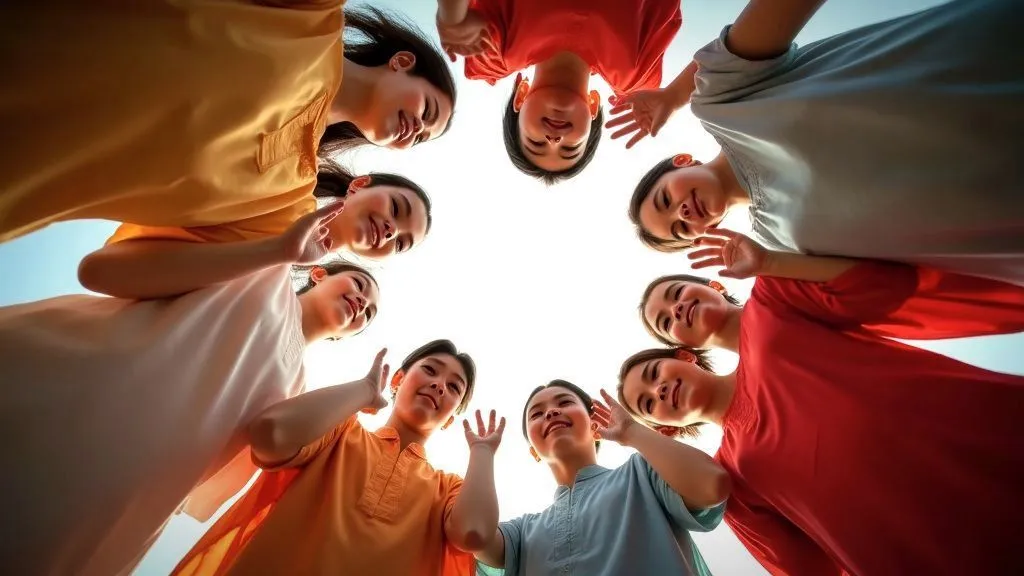
Chinese culture, a rich tapestry woven from thousands of years of history, philosophy, and tradition, is more than just a set of customs or practices. At its core, the concept of harmony is central to understanding the fabric of society. This article explores how harmony and diversity manifest in Chinese culture, shaping everything from daily interactions to artistic expression.
Dating back over 5,000 years, Chinese civilization has accumulated a wealth of knowledge and experience, leading to diverse interpretations of life, society, and the cosmos. With a population exceeding 1.4 billion and 56 recognized ethnic groups, the complexity of Chinese culture is rivaled only by its depth.
In this exploration, we will touch upon aspects such as traditional Chinese philosophy, the influence of Confucianism, the role of festivals, the significance of family, and the impact of globalization. Each element contributes to the overarching theme of harmony and diversity, enriching not only the cultural landscape of China but also its global identity.
The Philosophical Backbone
At the heart of Chinese culture lies a historical reliance on philosophical teachings, particularly those of Confucius (551-479 BCE). Confucianism, which emphasizes morality, social relationships, and justice, is fundamental to understanding the societal norms and values in China. The core concepts of Ren (benevolence), Li (ritual propriety), and Xiao (filial piety) are pivotal in fostering social harmony.
-
Ren (仁): This concept promotes compassion for others. It advocates for empathy and kindness in interactions, which cultivates trust and strengthens community bonds.
-
Li (礼): Ritual and propriety dictate how one should behave in society. Respect for traditions and rituals reinforces social harmony, allowing individuals to navigate their relationships with an understanding of their roles.
-
Xiao (孝): Filial piety underscores the importance of family and respect for one’s parents and ancestors. This reinforces family unity and provides a support system that is vital in times of need.
As a result, the family unit is a microcosm of society and serves as the foundational building block of Chinese culture.
Confucian Influence on Modern Society
The enduring influence of Confucianism can be seen in modern-day China. Even as the country undergoes rapid changes and modernization, traditional values still permeate various aspects of life. According to a survey conducted by the Chinese Academy of Social Sciences, over 76% of respondents believe in the importance of familial ties, attributing success and happiness to family support.
This reverence for family extends into community life as well. Events such as the Mid-Autumn Festival and Chinese New Year emphasize familial bonds and collective harmony, marking periods when families reunite and celebrate together.
Festivals: Celebrating Diversity and Unity
Festivals play a crucial role in expressing the rich diversity of Chinese culture while reinforcing the concept of harmony. These events are not merely celebrations; they embody cultural identity and historical narratives.
Key Festivals
-
Chinese New Year (春节): Marking the lunar new year, this festival is the most significant celebration in China, symbolizing a fresh start. Families gather for feasts, honoring ancestors and sharing wishes for prosperity and health.
-
Mid-Autumn Festival (中秋节): Celebrated on the 15th day of the 8th lunar month, this festival emphasizes family reunions and the moon’s beauty. The custom of sharing mooncakes represents unity and the cycle of life.
-
Duanwu Festival (端午节): Also known as the Dragon Boat Festival, this event commemorates the poet Qu Yuan. Dragon boat races and eating zongzi (sticky rice dumplings) are traditional practices that promote community spirit.
-
Qingming Festival (清明节): As a day to honor ancestors, families visit graves to pay respects. This practice reinforces familial bonds and a connection to one’s heritage.
Through these festivals, various ethnic groups in China express their unique traditions while simultaneously participating in a collective national identity. This blend of diversity contributes to a greater sense of harmony, as it allows for the celebration of differences within a unified framework.
The Art of Harmony: Traditional and Contemporary
Art, a powerful medium of expression, has long been employed to convey the values and teachings inherent in Chinese culture. Traditional art forms, such as calligraphy, painting, and poetry, reflect a harmonious relationship with nature, often emphasizing balance, simplicity, and elegance.
Traditional Art Forms
-
Calligraphy: The art of beautiful writing is considered a high form of expression. Calligraphers harness the rhythm and flow of brushstrokes to evoke emotions and convey philosophical ideas.
-
Chinese Painting: Characterized by its emphasis on nature and landscapes, Chinese painting embodies the concept of harmony with the environment. Artists aim to capture the essence of their subjects rather than mere representation.
-
Poetry: Poets like Li Bai and Du Fu have captured the beauty of life, nature, and emotions through verses that explore the human condition. Classical poetry often alludes to Confucian values and reflects the interconnectedness of life.
The Evolution of Contemporary Art
In recent years, contemporary Chinese art has gained significant attention on the global stage. Artists like Ai Weiwei and Zhang Xiaogang blend traditional techniques with modern themes, often addressing social issues and the complexities of modern life.
The global art community’s embrace of contemporary Chinese artists demonstrates the continuing evolution of culture and highlights the synergy between tradition and modernity. Through their work, these artists showcase the richness of Chinese culture while inviting dialogue about its future.
The Role of Family: A Pillar of Society
Family in Chinese culture is far more than a social unit; it is a fundamental pillar that supports societal structure. The traditional family system is hierarchical, with elders commanding respect and authority. This dynamic fosters a deep sense of responsibility among family members.
Family Structure
-
Nuclear and Extended Families: While the nuclear family has become more common, many Chinese households still embrace extended family living arrangements. This provides a support network that extends beyond immediate family.
-
Role of Elders: Elders are viewed as the bearers of wisdom and experience. Decisions are often made with their input, reinforcing respect for their authority.
-
Gender Roles: Traditionally, gender roles have been well-defined, with men often being the primary breadwinners and women managing household duties. However, modernization is gradually reshaping these roles, leading to increased equality.
The Impact of Globalization
As China continues to integrate with the global economy, cultural exchanges have become more prevalent. Young people are often influenced by Western ideals, leading to changing family dynamics. A 2022 survey revealed that 64% of millennials in urban areas support more egalitarian family structures, showcasing the shift towards modern values.
This evolution is shaping a new identity for Chinese families, blending respect for tradition with aspirations for a more liberal society.
Globalization and Cultural Exchange
The 21st century has presented unique challenges and opportunities for Chinese culture in the context of globalization. The rapid exchange of ideas and customs has led to a fusion of cultural practices, enriching the landscape yet also raising concerns about cultural preservation.
Cultural Soft Power
China’s government recognizes the importance of cultural soft power in enhancing its international image. Through initiatives like the Confucius Institutes, the promotion of Chinese language and culture abroad aims to foster understanding and appreciation of its traditions.
Simultaneously, globalization has brought foreign influences into China, reshaping lifestyles and consumer habits. The rise of social media platforms like WeChat and TikTok has facilitated cultural exchange, allowing younger generations to engage with global trends while navigating their own cultural identity.
The Balancing Act
Striking a balance between modernization and cultural heritage is a vital task for contemporary Chinese society. As the country faces the challenge of preserving its rich cultural history while embracing the new, the concept of harmony remains central.
Over 80% of Chinese citizens express pride in their heritage, highlighting the importance of cultural continuity alongside progress. This duality fuels a vibrant dialogue about what it means to be Chinese in a rapidly changing world.
Conclusion: A Continuous Journey Towards Harmony
The essence of Chinese culture, characterized by harmony and diversity, continues to evolve, reflecting the complexities of a nation that stands at the crossroads of tradition and modernity. The teachings of Confucius guide societal interactions, festivals celebrate collective identity, and art reflects both history and contemporary issues.
Chinese culture is a continuous journey, where the past and present converge to shape the future. As the world embraces China’s influence, understanding its cultural foundation will foster deeper connections and appreciation for its rich heritage.
In this vibrant tapestry, the threads of harmony intertwine with the colorful patterns of diversity, creating a unique cultural identity that is as dynamic as it is enduring.