
Exploring Chinese Tea Culture: A Comprehensive Guide
By Hector Delgado · · 8 min read
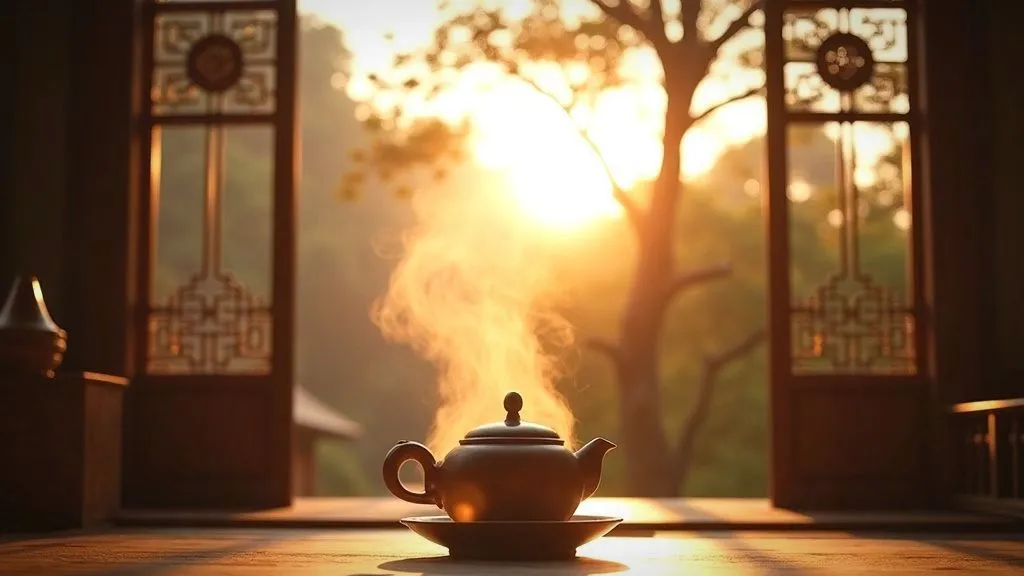
Chinese tea culture is a treasure trove of history, tradition, and social interaction. With over 5,000 years of evolution, Chinese tea is more than just a beverage; it is an integral part of the Chinese way of life. From ancient imperial courts to bustling modern-day teahouses, tea has served as a vessel for connection, celebration, and reflection.
In this guide, we will traverse the lush landscapes of Chinese tea culture, exploring its origins, significance, and practices. Whether you are a newcomer curious about tea or a seasoned connoisseur seeking to deepen your knowledge, this exploration aims to enhance your appreciation of one of the world’s oldest and most revered traditions.
1. The Origins of Chinese Tea Culture
The story of Chinese tea begins with a legendary figure: Emperor Shen Nong. According to folklore, Shen Nong accidentally discovered tea in 2737 BCE when leaves from a wild tea tree blew into his boiling water. This serendipitous event marked the beginning of a practice that would span millennia.
1.1. Historical Records and Its Growth
The first written record of tea can be traced back to the “Shennong Bencao Jing” (Shen Nong’s Herbal Classic), which catalogs various herbs and plants used in medicine, including tea. As the Han Dynasty (206 BCE - 220 CE) unfolded, tea began transitioning from a medicinal beverage to a popular drink among the elite.
By the Tang Dynasty (618-907 CE), tea had solidified its status as a cultural staple. During this period, the famed poet Lu Tong penned the iconic poem “Tea Poetry,” extolling the virtues of tea. This era also saw the flourishing of tea trade, particularly through the “Tea Horse Road,” a crucial trade route linking tea-producing regions in China to Tibet and beyond.
1.2. The Role of Tea in Chinese Society
Throughout history, tea has played an essential role in social customs and rituals. In many Chinese families, offering tea to guests is a sign of respect and hospitality. The act of brewing and sharing tea fosters bonds and conveys goodwill.
Moreover, tea has significant ties to Chinese philosophy. The principles of harmony, balance, and cleanliness associated with tea preparation reflect the teachings of Confucianism. The Daoist perspective emphasizes the meditative qualities of tea, serving as a reminder to embrace simplicity and mindfulness.
2. The Types of Tea in Chinese Culture
China is home to an astonishing variety of teas, each with unique flavors, aromas, and cultural significance. Here, we will explore several major categories of Chinese tea.
2.1. Green Tea
Green tea is one of the oldest and most popular types of tea in China. Renowned for its fresh taste and health benefits, it is minimally processed, preserving its natural green color and nutrients.
Popular Varieties:
- Longjing (Dragon Well): Cultivated in Hangzhou, Longjing is celebrated for its sweet, nutty flavor and delicate aroma.
- Biluochun (Green Snail Spring): Originating from Jiangsu province, this tea has a floral scent and a fruity aftertaste.
2.2. Black Tea
Known as “red tea” in China, black tea undergoes full oxidation, resulting in a bold flavor and dark color. It’s a favorite choice for those who enjoy rich, robust brews.
Notable Varieties:
- Keemun: Often used in English breakfast blends, Keemun offers a fruity, floral profile.
- Yunnan Black Tea: This tea is known for its malty sweetness and peppery notes.
2.3. Oolong Tea
Oolong tea is a semi-oxidized tea that occupies a middle ground between green and black tea. Its flavor varies widely, ranging from floral and fragrant to earthy and toasty.
Key Varieties:
- Tieguanyin (Iron Goddess of Mercy): A renowned oolong from Fujian province, noted for its orchid-like aroma and creamy texture.
- Da Hong Pao (Big Red Robe): A prized oolong with a rich, smoky flavor, often associated with Chinese royalty.
2.4. White Tea
White tea is the least processed of all tea types, made from young tea leaves and buds. It has a delicate, subtle flavor that is often described as sweet and floral.
Popular Varieties:
- Bai Mudan (White Peony): A combination of buds and leaves, Bai Mudan has a smooth, light taste.
- Silver Needle: This premium tea consists solely of unopened buds and is known for its sweet aroma and light body.
2.5. Herbal Tea
Distinct from the traditional categories, herbal teas encompass various infusions made from herbs, flowers, and fruits. While not technically tea, these beverages are enjoyed for their flavors and health benefits.
Common Herbal Teas:
- Chrysanthemum Tea: Widely consumed for its cooling properties, this floral infusion is popular in summer.
- Hawthorn Berry Tea: Known for aiding digestion, this fruity tea carries a pleasant tartness.
3. The Art of Tea Preparation
To truly appreciate Chinese tea culture, one must master the art of tea preparation. The process is not merely about brewing tea; it’s a ritual steeped in mindfulness and respect.
3.1. Tools of the Trade
Before diving into preparation, familiarize yourself with essential tea tools:
- Teapot: Chinese teapots come in various materials, including clay (Yixing), porcelain, and glass. Each material influences the flavor profile of the tea.
- Gaiwan: A traditional lidded bowl used for brewing tea, particularly beneficial for oolongs and greens.
- Tea Tray: A tray is used to catch spills during the brewing process, often designed with compartments for the tools and cups.
3.2. Gongfu Tea Ceremony
The Gongfu tea ceremony is a cherished practice emphasizing precision and skill. Follow these steps to perform a traditional Gongfu tea ceremony:
- Select Your Tea: Choose the type of tea you’ll brew. Consider the flavor profile and occasion.
- Prepare Your Tools: Arrange your teapot or gaiwan, teacups, tea tray, kettle, and tea leaves.
- Heat Water: Boil water to the optimal temperature for your tea type. Different teas require different temperatures, ranging from 80°C for green tea to 95°C for black tea.
- Warm the Teapots and Cups: Pour a small amount of hot water into your teapot and cups, swishing it around before discarding it. This warms the vessels and enhances the tea’s aroma.
- Measure Tea Leaves: Add the appropriate amount of tea leaves (usually 5-7 grams per 150 ml of water) into the pot or gaiwan.
- Brew: Pour hot water over the leaves and cover with the lid. Steep for 30 seconds to 5 minutes, depending on the type of tea.
- Serve: Pour the brewed tea into the cups, ensuring each guest receives an equal share.
- Enjoy: Sip slowly, paying attention to the tea’s aroma, flavor, and character. Engage in conversation, sharing thoughts and reflections on the experience.
3.3. Mindfulness in Tea Drinking
Tea drinking in Chinese culture transcends mere consumption; it embodies mindfulness and presence. As you sip, take a moment to appreciate the colors, scents, and flavors. Reflect on the journey of the leaves from their origin to your cup, and engage in dialogue with those around you. This creates a communal experience that celebrates not just the tea but the connections forged through it.
4. The Cultural Significance of Tea
Tea is interwoven into the fabric of Chinese life, influencing art, philosophy, and even politics. Its cultural significance extends beyond the drink itself, shaping social interactions and traditions throughout history.
4.1. Tea in Literature and Art
Chinese literature has long celebrated tea as a source of inspiration. Poets and scholars have extolled its virtues, often using tea as a metaphor for purity, tranquility, and wisdom. Works such as “The Classic of Tea” by Lu Yu detail the history and appreciation of tea, elevating it to an art form.
4.2. The Connection to Philosophy
Tea embodies key principles of Confucianism and Daoism. Confucian thought emphasizes balance and respect in relationships, mirrored through the act of serving tea. Daoism celebrates the simplicity and natural beauty found within the tea experience, promoting a sense of harmony with nature and oneself.
4.3. Tea and Health
Beyond its social and philosophical implications, tea holds numerous health benefits. Rich in antioxidants known as polyphenols, tea has been linked to various health advantages, including improved cardiovascular health, enhanced metabolism, and lowered risk of certain diseases. Traditional Chinese medicine has recognized the medicinal properties of tea for centuries, making it an integral part of holistic wellness.
5. The Global Influence of Chinese Tea Culture
As tea spread beyond China’s borders, it influenced cultures and societies worldwide. The global fascination with tea has led to various adaptations, but the essence of Chinese tea culture remains a guiding force.
5.1. The Spread of Tea to the West
Tea reached Europe in the 17th century, primarily through trade routes established by the British East India Company. Its popularity surged, becoming a symbol of sophistication and leisure among the aristocracy. The British developed their own tea rituals, notably the afternoon tea tradition, while still drawing inspiration from Chinese practices.
5.2. Modern Chinese Tea Culture
Today, China remains the largest producer and consumer of tea in the world. The rise of specialty tea shops and a renewed interest in traditional tea preparation has contributed to a growing appreciation for the intricacies of tea culture. Young people are increasingly turning to tea as a means of relaxation and socialization, revitalizing age-old practices.
5.3. The Future of Chinese Tea Culture
As globalization continues to influence culinary trends, the future of Chinese tea culture looks promising. Innovations in tea blends and brewing techniques are making tea accessible to new audiences. However, the core values of respect, mindfulness, and connection will remain central to its enduring legacy.
FAQ Section
What are the different styles of Chinese tea preparation?
Chinese tea preparation can be categorized into several styles, including Gongfu, traditional tea ceremonies, and casual brewing methods. Gongfu emphasizes precision and skill, while traditional methods focus on ritual and hospitality.
How can I choose the right type of tea for me?
Selecting the right tea depends on your flavor preferences and desired effects. Explore various types, from light green teas to robust black teas, to discover what resonates with your palate.
What health benefits are associated with drinking tea?
Tea is rich in antioxidants and has been linked to improved heart health, weight management, and enhanced mental clarity. Specific herbal teas may also support digestion and relaxation.
Can I incorporate tea into my daily routine?
Absolutely! You can enjoy tea as a morning beverage, afternoon pick-me-up, or evening ritual. Experiment with different types and preparation methods to find what works best for you.
Exploring the nuances of Chinese tea culture can enrich your understanding of this ancient practice and its relevance today. Embrace the experience, and let each cup of tea transport you through time and tradition!