
Exploring the Rich Tapestry of Chinese Culture
By Hector Delgado · · 6 min read
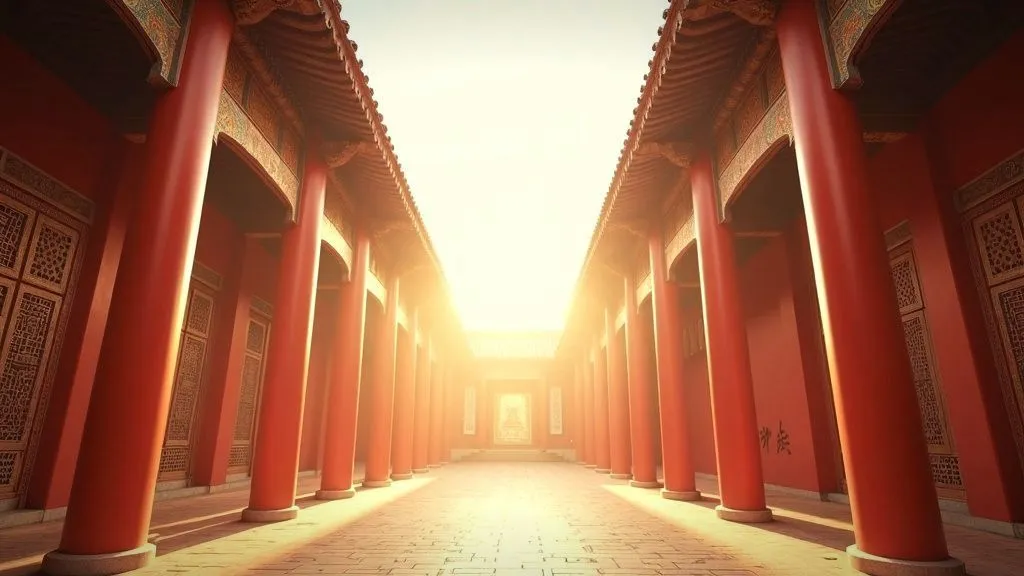
Understanding Chinese Culture: A Journey Through Time
Chinese culture is one of the oldest and most intricate cultures in the world. With a history spanning over 5,000 years, it has continuously evolved while maintaining a unique identity that is both rich in tradition and innovative in modernity. For anyone looking to understand the essence of Chinese culture, it is essential to explore its many facets, including philosophy, art, festivals, cuisine, and the influence of history.
Historical Context
Understanding Chinese culture requires an appreciation for its historical context. The civilization can trace its origins back to the Yellow River Valley, where agricultural practices began to flourish. The Xia, Shang, and Zhou dynasties set the groundwork for what would become a distinctive cultural identity.
Key Dynasties and Their Contributions
-
Shang Dynasty (1600–1046 BC): Known for its advances in bronze work, writing systems, and ancestor worship. The emergence of oracle bone script marks a significant moment in Chinese history.
-
Zhou Dynasty (1046–256 BC): The introduction of Confucianism and Daoism during this period shaped philosophical thought and social values, influencing Chinese culture deeply.
-
Han Dynasty (206 BC–220 AD): This era is marked by significant developments in trade, including the Silk Road, which facilitated cultural exchanges with the West.
-
Tang Dynasty (618–907): Often referred to as the golden age of Chinese arts and culture, this period saw remarkable achievements in poetry, painting, and the flourishing of Buddhism.
These dynasties contributed to a rich tapestry of cultural practices that continue to resonate in modern Chinese society.
Philosophy and Religion
The philosophical foundations of Chinese culture are primarily rooted in three key schools of thought: Confucianism, Daoism (Taoism), and Buddhism. Each of these philosophies provides insights into values, ethics, and the way of life.
Confucianism
Founded by Confucius (Kong Fuzi) in the 5th century BC, Confucianism emphasizes moral integrity, familial respect, and societal harmony. Its teachings focus on the importance of relationships—particularly those between rulers and subjects, parents and children, and husbands and wives.
Key concepts include:
- Ren (仁): Often translated as “benevolence,” it encourages compassion and empathy in human interactions.
- Li (礼): Refers to rituals and proper conduct, encompassing both social etiquette and moral duty.
- Xiao (孝): The concept of filial piety, stressing the duty of children to honor and care for their parents.
Daoism
Daoism, attributed to Laozi, emphasizes living in harmony with the Dao (Tao), or the fundamental nature of the universe. It promotes values such as simplicity, spontaneity, and the importance of nature.
Core principles include:
- Wu Wei (无为): The practice of “non-action,” which encourages taking action that aligns with the natural order of things rather than through force.
- Yin and Yang (阴阳): A concept that represents duality and balance in nature, influencing various aspects of Chinese thought and art.
Buddhism
Buddhism was introduced to China from India in the 1st century AD and has since blended with local beliefs, creating unique schools such as Chan (Zen) Buddhism. The integration of Buddhist ideas into Chinese culture has profoundly impacted art, literature, and moral philosophy.
Art and Literature
Chinese art and literature reflect the deep-seated values and beliefs of the culture. A vast range of artistic forms has evolved over centuries, including poetry, calligraphy, painting, and traditional operas.
Calligraphy
Regarded as the highest form of visual art, Chinese calligraphy involves the aesthetic expression of written characters. It combines artistry with linguistic tradition, showcasing the beauty and rhythm of the Chinese script. Each brushstroke is imbued with meaning and emotion, allowing calligraphers to convey not just words, but spirit.
Traditional Painting
Chinese painting is characterized by its emphasis on nature and philosophical themes. There are two main styles:
- Shui-mo (水墨) or ink wash painting, which emphasizes the use of brush and ink on rice paper or silk, often embodying the spirit of nature.
- Gongbi (工笔), which is a meticulous and detailed style that often depicts historical or mythological themes.
Literature
Chinese literature boasts a rich collection of poetry, novels, and philosophical texts. Noteworthy works include:
- The Book of Songs (诗经): A classic anthology of poetry from the Zhou dynasty.
- Journey to the West (西游记): A 16th-century novel blending adventure and spiritual journey elements while examining themes of morality.
- Dream of the Red Chamber (红楼梦): A complex narrative exploring the life of a noble family, rich in social commentary and poetic imagery.
Festivals and Celebrations
Chinese culture is replete with festivals that celebrate traditions, harvests, and the changing seasons. Among the most prominent are:
Chinese New Year (春节)
Celebrated at the turn of the lunar calendar, Chinese New Year is the most significant festival. Families reunite, honor ancestors, and partake in traditional rituals. The festival lasts for 15 days and culminates with the Lantern Festival.
Key customs include:
- Red envelopes (红包) filled with money given as gifts to children and unmarried adults.
- Dragon and lion dances, which are believed to bring good luck.
Mid-Autumn Festival (中秋节)
This festival honors the harvest and family reunion. It typically occurs in September or October and features the consumption of mooncakes, a traditional pastry. The festival also celebrates the legend of Chang’e, the Moon Goddess.
Qingming Festival (清明节)
Known as Tomb-Sweeping Day, this festival involves honoring and remembering ancestors. Families visit graves, clean them, and make offerings of food and incense.
Culinary Heritage
Chinese cuisine is characterized by its regional diversity and profound cultural significance. Each region offers distinct flavors and cooking techniques.
Major Regional Cuisines
-
Sichuan Cuisine (川菜): Known for its bold flavors and use of spices, particularly the famous Sichuan peppercorn that creates a unique numbing sensation.
-
Cantonese Cuisine (粤菜): Features fresh ingredients and a variety of cooking methods. Dim sum is a hallmark of Cantonese dining.
-
Shandong Cuisine (鲁菜): Emphasizes seafood and simple flavors, often showcasing the freshness of ingredients.
-
Huaiyang Cuisine (淮扬菜): Renowned for its intricate cooking techniques and delicate flavors, often seen as the pinnacle of Chinese gastronomy.
Influence of Modern Society
Contemporary China is a mosaic of ancient traditions and modern innovations. As globalization increases, Chinese culture continues to evolve, absorbing influences while maintaining its core identity.
Urbanization and Globalization
Rapid urbanization has transformed cities, with modern architecture juxtaposed against historical landmarks. Young people are increasingly influenced by Western culture, evident in fashion, technology, and entertainment. Yet, traditional values remain deeply ingrained, particularly regarding family and community.
Cultural Exchange
Chinese cinema, music, and art have gained international recognition. The rise of film festivals and art exhibitions showcases the depth and diversity of Chinese cultural expression, inviting global audiences to engage with its narratives.
Conclusion
Chinese culture is a dynamic blend of ancient traditions and contemporary practices. Its complexity and richness offer a window into the values that have shaped society over millennia. By exploring the intricacies of Chinese culture—from its philosophical roots to its culinary delights—one can appreciate how this extraordinary civilization continues to influence the world today. As curiosity about Chinese culture grows, its stories, art, and traditions promise to captivate generations to come.
Exploring Chinese culture invites not just understanding but a profound appreciation for the intricate interplay of history, philosophy, and everyday life. Each tradition, festival, and artistic expression serves as a reminder of the enduring legacy of one of the world’s most remarkable civilizations.
Related reading
Jun 26, 2026
Understanding Chinese Culture: FAQs and Insights
Jun 21, 2026