
Myth-Busting Common Misconceptions About Chinese Culture
By Hector Delgado · · 7 min read
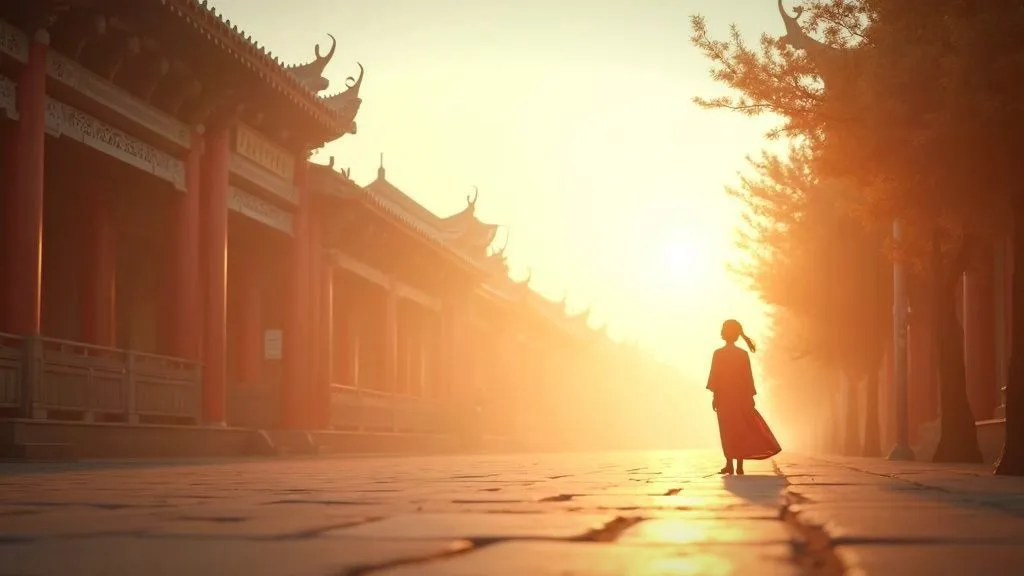
Chinese culture is a rich tapestry of history, art, philosophy, and social practices, spanning thousands of years. However, many misconceptions exist that oversimplify or misrepresent this deep-rooted culture. By addressing these myths, we can gain a clearer understanding of the complexities and beauty of Chinese traditions. The following sections will delve into prevalent misconceptions surrounding Chinese culture and analyze them with data and expert opinions.
Misconception 1: All Chinese People Eat Rice
One of the most persistent myths is the idea that all Chinese people primarily eat rice. While rice is undoubtedly a staple in many regions, the reality is much more nuanced. According to a 2018 survey by the Chinese National Bureau of Statistics, about 30% of Chinese households identified noodles as their primary carbohydrate source, especially in northern provinces like Shanxi and Henan.
Regional Variations in Diet
China is geographically vast, with diverse climates that influence local diets. For instance, in the south, rice is a staple, particularly in Guangdong and Hunan provinces. However, in the north, where the climate is less conducive to rice cultivation, wheat-based products like noodles, dumplings, and steamed buns take center stage. The variety reflects the culinary preferences shaped by regional agriculture and cultural exchange.
Notable Dishes Beyond Rice
- Noodles: Popular in various forms, from hand-pulled to instant varieties.
- Dumplings: A traditional dish often filled with meat or vegetables, especially prominent during the Lunar New Year.
- Breads: Steamed buns (bao) and unleavened breads are staples in northern China.
Expert Perspective
Culinary historian Fuchsia Dunlop emphasizes this diversity in her works, stating, “The notion that Chinese cuisine is solely about rice overlooks the vast expanse of flavors and ingredients found across the country. Each region has its unique signature dishes, shaped by local resources and customs.”
Misconception 2: Chinese Culture is Monolithic
Another common myth is that Chinese culture is monolithic, suggesting that all Chinese people share the same customs, beliefs, and values. In reality, China is home to 56 recognized ethnic groups, each with its own languages and traditions. The largest group, the Han Chinese, makes up around 91% of the population, but this leaves a rich tapestry of cultures and practices.
The Ethnic Mosaic of China
- Han Chinese: Dominant group with regional variations in dialects and customs.
- Tibetan: Rich spiritual traditions combined with unique local festivals.
- Uighur: A distinct culture with strong Central Asian influences, celebrated through music, dance, and cuisine.
Regional Festivals and Customs
Diversity is particularly evident during festivals. For example, the Lunar New Year is celebrated nationwide, but local customs vary significantly. In Sichuan, people might celebrate with spicy hotpot, while in Hong Kong, elaborate dragon dances take place.
Expert Perspective
Professor David Palmer, an expert in Chinese studies, asserts, “To view Chinese culture as a single entity diminishes the incredible variety found within it. Each ethnic group contributes to the broader narrative of what it means to be Chinese, creating a dynamic and evolving cultural landscape.”
Misconception 3: The Chinese Are Always Serious and Reserved
The stereotype that Chinese people are consistently serious and reserved often stems from cultural misunderstandings. While certain social customs may emphasize politeness and respect, this doesn’t mean that humor and warmth are absent from everyday life.
Humor in Chinese Culture
Chinese humor often relies on wordplay, puns, and situational comedy, as showcased in traditional storytelling forms like crosstalk (xiangsheng). Moreover, popular culture, including films and TV dramas, frequently showcases a lighter side of life, reflecting a dynamic social fabric.
Common Forms of Humor
- Xiangsheng (Crosstalk): A traditional comedic performance that often critiques society and current events.
- Internet Memes: Social media platforms in China are rife with humor, showcasing modern interpretations of traditional humor.
Expert Perspective
Cultural anthropologist Mayfair Yang highlights, “The perception of Chinese seriousness overlooks the intricate layers of interpersonal communication. In fact, humor plays a vital role in social bonding and expression.”
Misconception 4: Feng Shui is Just a Superstitious Practice
Feng Shui is often dismissed as mere superstition, but it is rooted in centuries of philosophical and cultural traditions. Originating from ancient Chinese beliefs about the connection between human existence and the environment, Feng Shui seeks to harmonize individuals with their surroundings.
The Philosophy Behind Feng Shui
Feng Shui, literally translated as “wind” and “water,” is based on the idea that the arrangement of objects can influence energy flow (Qi). This ancient practice has evolved over time, integrating principles from Taoism, Confucianism, and Buddhism.
Key Concepts in Feng Shui
- Qi: The vital life force that flows through everything.
- Yin and Yang: The balance of opposites, crucial for creating harmony in space.
- Five Elements Theory: Wood, Fire, Earth, Metal, and Water are used to balance energies and create a nurturing environment.
Expert Perspective
Feng Shui consultant and author, Lillian Too, notes, “Understanding Feng Shui goes beyond superstition; it’s about creating spaces that foster well-being and productivity. The principles are deeply interconnected with the cultural and philosophical underpinnings of Chinese civilization.”
Misconception 5: Chinese People Have No Individuality
Another prevalent myth is that Chinese society is collectivist to the extent that personal individuality is suppressed. While it’s true that Confucian values emphasize community and family, this does not negate the presence of individual aspirations and achievements.
Celebrating Individuality
A closer look at modern Chinese society reveals a burgeoning sense of individuality and self-expression, especially in urban areas. China’s youth are increasingly embracing individualism through fashion, online platforms, and personal branding.
A New Generation of Innovators
- Entrepreneurs: Many young Chinese are breaking traditional career molds, founding startups and embracing innovation.
- Cultural Creatives: Artists, musicians, and writers are exploring personal narratives and challenging societal norms through their work.
Expert Perspective
Sociologist Dr. Wei Zhang emphasizes, “The younger generation is redefining what it means to be an individual in a rapidly changing society. They are navigating traditional values while carving out unique identities.”
Misconception 6: Chinese Art is Uniform and Limited
When discussing art, many might think of traditional Chinese painting or calligraphy, overlooking the diverse modern art scene that has emerged. Chinese artists today are integrating influences from around the globe, creating a vibrant contemporary art scene.
Evolution of Chinese Art
Contemporary Chinese art has gained international acclaim, often reflecting social issues, historical narratives, and personal experiences. This artistic evolution demonstrates the dynamic nature of cultural expression.
Influential Contemporary Artists
- Ai Weiwei: Known for his provocative installations and social activism.
- Yoko Ono: Although Japanese, her work and collaboration with Chinese artists reflect the global nature of modern art.
Expert Perspective
Art critic Barbara Pollack emphasizes, “Contemporary Chinese art challenges preconceived notions and often serves as a commentary on societal issues. It is diverse, dynamic, and essential to understanding modern Chinese identity.”
Misconception 7: Traditional Chinese Medicine is Just Quackery
Traditional Chinese Medicine (TCM) is often viewed skeptically, dismissed as pseudoscience. However, TCM encompasses a holistic approach that has been practiced for thousands of years, with a focus on prevention and balance.
The Principles of TCM
Central to TCM are concepts such as Yin and Yang, the Five Elements, and the meridian system. Treatments often include acupuncture, herbal medicine, and dietary therapy.
Efficacy and Research
Recent studies have shown positive effects of acupuncture for pain relief and improved quality of life for various conditions. The World Health Organization recognizes TCM as a valid medical system, and many hospitals in China incorporate TCM alongside Western medicine.
Expert Perspective
Dr. Fong Hsiang, a practitioner of TCM, states, “The skepticism around TCM often overlooks its philosophical depth and practical benefits. It offers a unique perspective on health that resonates with many.”
Conclusion: Embracing Complexity in Chinese Culture
Chinese culture is an intricate mosaic of traditions, beliefs, and practices, shaped by its rich history and diverse population. By dispelling myths and acknowledging the complexities, we can appreciate a culture that is anything but monolithic. Recognizing the nuances fosters a deeper understanding and respect for the vibrancy of Chinese heritage.
As you embark on your journey of exploration into Chinese culture, consider the lessons learned from these misconceptions. This cultural richness offers insights not just into the Chinese way of life but also into broader human experiences. Embrace the diversity and depth of Chinese culture, and you may find it resonates with your own story.
By shedding light on these misconceptions, we can foster a more inclusive dialogue about Chinese culture, one that appreciates its differences while celebrating its shared humanity.